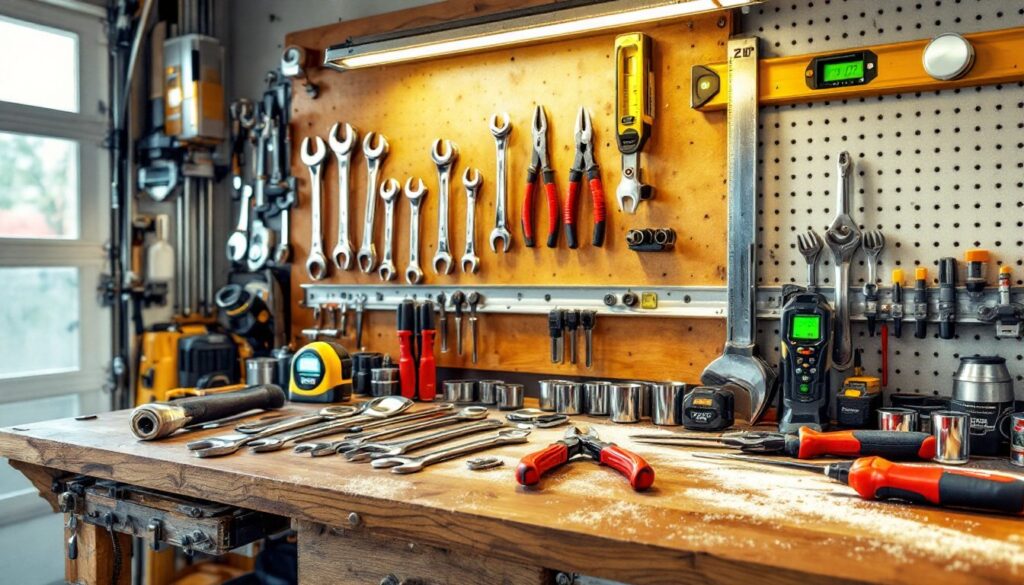
Walk into any jobsite or home garage, and you’ll find Craftsman hand tools doing the heavy lifting. For over a century, the red-and-black brand has been synonymous with dependable tools that don’t quit when the work gets tough. Whether someone’s hanging drywall, assembling furniture, or rebuilding a deck, having the right hand tools makes the difference between a smooth Saturday project and a frustrating trip to the hardware store for the third time. This guide breaks down what makes Craftsman tools worth considering, which ones belong in every DIYer’s arsenal, and how to keep them working for decades.
Table of Contents
ToggleKey Takeaways
- Craftsman hand tools balance affordability with durability, backed by a lifetime warranty that covers tool failures without requiring a receipt for replacement.
- Every homeowner should start with essential tools including screwdrivers, wrenches, pliers, hammers, tape measures, and levels—which handle 80% of common household repairs.
- Quality matters more than quantity; choosing premium materials like chrome vanadium steel and heat-treated tips prevents tool failure and project delays.
- Proper maintenance—regular cleaning, lubrication, rust prevention, and storage organization—extends the lifespan of Craftsman hand tools for decades of reliable use.
- Selecting individual tools for specialized projects often delivers better value than buying large sets that include unused piece duplicates and rarely-needed sizes.
Why Craftsman Hand Tools Remain a Top Choice for DIYers
Craftsman built its reputation on a simple promise: tools that perform and last. While the brand has changed ownership over the years, now under Stanley Black & Decker, the core lineup still delivers solid performance at a price point that doesn’t require a second mortgage.
The lifetime warranty remains one of the biggest draws. Break a ratchet or strip out a screwdriver? Most retailers swap it out, no receipt required. That kind of backing matters when someone’s halfway through a project and a tool fails.
Craftsman hand tools hit a sweet spot between budget imports and premium professional brands. They’re engineered for regular use, not occasional dabbling. The ergonomics have improved significantly in recent years, with better grip materials and reduced hand fatigue during long sessions.
Another advantage: availability. Craftsman tools are stocked at major retailers nationwide, which means replacements and additions don’t require hunting down specialty suppliers. For homeowners tackling weekend workshop projects, that accessibility can’t be overstated.
The toolsets also scale well. Someone starting out can grab a basic mechanics set or screwdriver kit, then expand into specialty tools as projects demand. The compatibility across product lines, same ratchet heads, interchangeable bits, reduces redundancy and keeps storage manageable.
Essential Craftsman Hand Tools Every Homeowner Should Own
Building a functional tool collection doesn’t mean buying everything at once. Start with the tools that handle 80% of common repairs and upgrades, then add specialized pieces as needed.
Screwdrivers, Wrenches, and Pliers
Screwdrivers are non-negotiable. A quality set should include at least four flathead sizes (1/8″, 3/16″, 1/4″, 5/16″) and four Phillips sizes (#0, #1, #2, #3). Craftsman’s cushion-grip handles reduce blisters during repetitive fastening work. For tight spots, add a stubby set and a multi-bit driver with interchangeable tips.
Combination wrenches in both metric and SAE (standard) sizes cover most household needs. A basic set runs from 1/4″ to 1″ (and 6mm to 19mm metric). The box end grips fasteners on all six sides, reducing the chance of rounding off bolt heads, a critical feature when working with rusted hardware.
Craftsman’s adjustable wrenches (6″, 8″, and 10″) handle odd-sized nuts and provide backup when the exact wrench is buried in the toolbox. Look for models with laser-etched size markings that won’t wear off.
Pliers deserve more attention than they usually get. Slip-joint pliers (6″ and 10″), needle-nose pliers (6″ with a long reach), and locking pliers (commonly called Vise-Grips) handle gripping, bending, and clamping tasks. Wire strippers and diagonal cutters round out electrical work. Experts at Popular Mechanics regularly emphasize that quality pliers with properly aligned jaws outperform cheap alternatives by a wide margin.
Hammers, Tape Measures, and Levels
A 16-ounce curved-claw hammer strikes the balance between driving power and control. The steel handle versions transmit more shock but are nearly indestructible: fiberglass handles absorb vibration better. Either way, check that the head is securely attached, a flying hammerhead is no joke.
Tape measures get abused more than most tools. A 25-foot tape with a 1-inch-wide blade stays rigid when extended, making solo measuring possible. Craftsman’s standout distance is around 7 to 9 feet before the blade buckles. The locking mechanism should engage smoothly and hold firm.
For leveling, start with a 24-inch box level for general framing and shelf installation, plus a torpedo level (9 inches) for tight spaces. Digital levels add precision for deck building and tile work, but traditional bubble vials never need batteries.
Don’t overlook a utility knife with retractable blades. Cutting drywall, trimming shingles, opening boxes, it’s the most-used tool in the box. Keep extra blades on hand: dull blades cause more accidents than sharp ones because they require excessive pressure.
How to Choose Quality Craftsman Hand Tools for Your Projects
Not all Craftsman tools are created equal. The brand offers multiple tiers, and knowing the differences prevents buyer’s remorse.
Material matters. Chrome vanadium steel (Cr-V) is the standard for sockets and wrenches, it resists wear and handles high torque. For screwdrivers, look for heat-treated tips that won’t mushroom or strip under pressure. Handles should be acetate or tri-material composite for grip and durability.
Finish quality indicates manufacturing standards. A smooth, consistent chrome plating not only resists corrosion but also wipes clean easily. Rough castings or uneven coatings suggest shortcuts in production.
When choosing between individual tools versus sets, consider the project scope. Sets offer better value per piece, but they often include sizes that rarely get used. For specialized work, like cutting precise joints, buying individual premium tools makes more sense than settling for a mediocre set.
Ratchet tooth count affects performance. A 72-tooth ratchet requires only 5 degrees of swing to advance, ideal for tight engine bays or cramped plumbing access. Lower tooth counts (36 or 45) are more durable under heavy loads but need more room to operate.
Check jaw alignment on adjustable wrenches and pliers before buying. Close the tool and hold it up to light, there should be no visible gap between the jaws. Misaligned tools slip and damage fasteners.
For woodworking enthusiasts following plans from sites like Ana White, invest in precision measuring tools. A combination square (12 inches) checks 90-degree and 45-degree angles, marks depth, and serves as a straightedge. Craftsman’s machinist squares hold tighter tolerances than carpentry squares.
Weight and balance matter during extended use. Pick up the tool before buying. A well-balanced hammer should feel like an extension of the arm, not a weight at the end of a stick. Screwdrivers with oversized handles fatigue hands faster even though marketing claims about “comfort.”
Avoid the temptation to buy tools solely based on piece count. A 230-piece set sounds impressive, but if 80 of those pieces are driver bits that duplicate sizes, the value proposition collapses. Focus on the core tools, sockets, wrenches, and drivers in commonly used sizes.
Caring for and Maintaining Your Craftsman Hand Tools
Tools last decades when properly maintained. Neglect them, and even Craftsman’s warranty won’t save a project timeline.
Clean tools after every use. Wipe down metal surfaces with a dry cloth to remove moisture, sawdust, and debris. For sticky residue, adhesive, paint, or grease, use mineral spirits or denatured alcohol. Never store dirty tools: grit accelerates wear and causes binding in moving parts.
Lubrication is often overlooked. Apply a light machine oil to pivot points on pliers, adjustable wrenches, and folding tools every few months. For ratchets and sockets, a drop of 3-in-1 oil on the mechanism keeps the pawl engaging smoothly. Wipe away excess to prevent attracting dust.
Rust prevention requires minimal effort. Tools stored in damp garages or basements benefit from a thin coat of paste wax (the same stuff used on table saw tops). It creates a barrier against humidity without making tools slippery. Alternatively, toss a few silica gel packets in toolboxes to absorb moisture.
Inspect tools regularly for damage. Check hammer handles for cracks, particularly near the head. Examine screwdriver tips for mushrooming or rounding, damaged tips should be replaced, not “made to work.” Professionals featured on This Old House frequently stress that compromised tools compromise safety.
Storage affects longevity. Keep tools organized in drawers, on pegboards, or in foam tool organizers rather than tossed in a bucket. Metals rubbing together during transport cause nicks and dull edges. Socket rails keep sets in order and prevent loss.
For mechanical tools like socket sets, periodically check for missing pieces. It’s easy to misplace a 10mm socket (they disappear more than any other size). Tracking inventory prevents mid-project scrambles.
Calibration matters for measuring tools. Drop a tape measure hard enough, and the hook can shift, making every measurement inaccurate. Test periodically by measuring a known dimension. Levels should be checked against a reliable reference, a good method involves flipping the level end-for-end on the same surface. If the bubble position changes, the vial is off.
Sharpening isn’t just for cutting tools. Worn screwdriver tips can be redressed with a bench grinder and careful technique, though replacement is often easier. Cold chisels and punches benefit from occasional grinding to restore sharp, square edges.
Safety gear protects both the user and the tools. Always wear safety glasses when striking tools (chisels, punches, pry bars). Flying metal chips damage eyes and tools alike. Work gloves prevent hand injuries but can reduce feel, skip them for precision tasks and use them for rough work.
Conclusion
Craftsman hand tools deliver reliable performance without the premium price tag of contractor-grade brands. By starting with essential tools, choosing quality over quantity, and maintaining the collection properly, any homeowner can build a workshop that handles repairs, renovations, and new projects for years to come. The key is investing in tools that match the work, not the marketing hype.