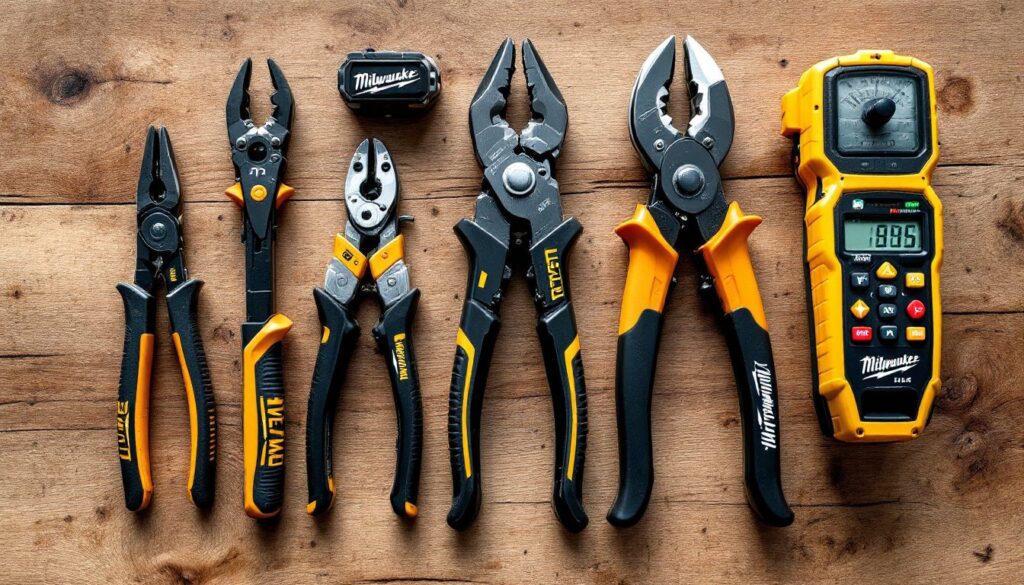
Lineman tools aren’t just for utility workers anymore. Whether you’re running new circuits in a remodel, tackling panel upgrades, or just want pliers that won’t let you down when cutting 10-gauge wire, Milwaukee’s lineman tool lineup has earned its reputation in both professional and DIY circles. These aren’t tools that sit pretty in a drawer, they’re built for repetitive, high-torque tasks that wreck inferior gear. This guide breaks down what makes Milwaukee’s offerings worth the investment, which tools belong in your kit, and how to choose the right ones without overspending on features you won’t use.
Table of Contents
ToggleKey Takeaways
- Milwaukee lineman tools are engineered with forged steel, induction-hardened cutting edges, and ergonomic handles designed to withstand repetitive high-torque tasks that wear out inferior alternatives.
- The 9-inch Lineman’s Pliers serve as the essential workhorse for most electrical projects, offering double-riveted stability and hardened cutting edges rated for ACSR, hardened wire, and accidental nail strikes.
- Choosing the right Milwaukee lineman tools depends on your specific work—start with basic 9-inch pliers and a wire stripper for residential tasks, then add specialty tools like ironworker pliers or utility cutting pliers as project complexity grows.
- Regular maintenance including cleaning cutting edges, lubricating pivot points monthly, and inspecting for chips before each project extends tool life and prevents hand fatigue during all-day use.
- Milwaukee’s limited lifetime warranty covers defects under normal use, making these tools a cost-effective long-term investment compared to replacing budget pliers every few years.
- Non-insulated lineman tools are lighter and sufficient for DIY residential work when circuits are properly de-energized; save the premium insulated 1000V-rated options for licensed professional live work.
What Makes Milwaukee Lineman Tools Stand Out?
Milwaukee builds lineman tools with a focus on durability under repetitive stress. Most electricians and serious DIYers don’t baby their gear, pliers get used as hammers, cutters chew through nails by accident, and everything gets dropped on concrete. Milwaukee addresses this with forged steel construction and induction-hardened cutting edges that hold up longer than stamped alternatives.
The Reaming Head design on their lineman pliers is a standout feature. It’s a tapered nose that lets you ream and smooth conduit or enlarge holes without swapping tools. That’s a real time-saver when you’re pulling wire through tight knockouts or cleaning up burrs that’ll slice through insulation.
Another practical edge: ergonomic handles with minimal slip. Milwaukee uses a textured, layered grip system that works even when your hands are sweaty or dusted with drywall. The handles are slightly wider than old-school designs, which distributes pressure better during heavy crimping or twisting, your hands fatigue slower over a full day’s work.
Milwaukee also backs these tools with a limited lifetime warranty, which covers defects but not abuse. If a pivot loosens or a jaw chips under normal use, they’ll replace it. That’s confidence in metallurgy, not marketing fluff. For pros, that warranty translates to lower long-term tool costs: for DIYers, it means buying once instead of replacing bargain pliers every few years.
Essential Milwaukee Lineman Tools Every Electrician Needs
Hand Tools and Pliers
The Milwaukee 48-22-3079 9-inch Lineman’s Pliers are the workhorse. These feature a hardened cutting edge rated to slice through ACSR, hardened wire, and even nails without chipping. The rivet joint is double-riveted for stability under side-load twisting, which matters when you’re making pigtails or wire nuts in a crowded box.
For tighter spaces, the 6-inch Lineman’s Pliers with Fish Tape Puller (48-22-3076) add a built-in hook at the handle base for grabbing fish tape without switching tools. It’s a small feature, but when you’re feeding wire through walls solo, every hand-free moment counts.
Milwaukee’s Ironworker Pliers (48-22-3065) deserve mention here too. They’re a hybrid: lineman pliers on one end, wire stripper in the middle, and bolt cutter at the base. They’ll shear #6 and #8 bolts cleanly, which is handy for rack installations or panel retrofits. The tradeoff is slightly more weight, 14 ounces versus 11 for standard lineman pliers, but the versatility justifies it for service work.
Cutting and Stripping Tools
The Fastback Utility Knife with Gut Hook isn’t lineman-specific, but it’s standard issue for electricians. The gut hook lets you strip NM-B (Romex) sheathing without nicking conductors. Milwaukee’s blade storage in the handle holds five extras, so you’re not hunting for replacements mid-job. Blade changes are tool-free, just slide the release.
Wire strippers matter more than most DIYers realize. Milwaukee’s 48-22-3079 10-in-1 strippers handle 10-20 AWG solid and 12-22 AWG stranded wire. The looping holes are sized for #6 and #8 screws, which speeds up terminal connections. They also include a built-in reamer and small bolt cutter for 6-32 and 8-32 hardware.
For heavier cable work, the Milwaukee 48-22-4252 Lineman Utility Cutting Pliers (8-inch) are purpose-built for MC cable, armored cable, and thick wire bundles. The angled head gives better sightlines when cutting flush to a box, and the replaceable cutting blades extend tool life, when edges dull, swap the blade instead of the entire tool. Home improvement tasks like panel upgrades and circuit additions benefit from dedicated cutting tools that won’t fatigue your hands after repetitive cuts.
Choosing the Right Milwaukee Lineman Tools for Your Projects
Start with the work you actually do. If you’re a homeowner running occasional circuits or adding outlets, the 9-inch lineman pliers and a basic wire stripper cover 90% of tasks. You don’t need specialty ironworker pliers unless you’re regularly installing strut or heavy conduit.
Consider handle length and leverage. Longer handles (9-inch or 10-inch) generate more cutting and twisting force, which matters for 10-gauge and thicker wire. Shorter handles (6-inch) fit better in panel boxes and tight junction boxes but require more hand strength. If you’re doing residential work in standard single-gang boxes, 6-inch pliers reduce wrist strain in cramped quarters.
Look at cutting capacity ratings. Milwaukee publishes specs for each tool, check the AWG range and material types (copper, aluminum, ACSR, hardened wire). A tool rated for hardened wire will handle accidental nail cuts without chipping: one rated only for copper won’t. If you work in remodels where you might hit hidden fasteners, pay the extra $10 for hardened edges.
Weight and balance matter for all-day use. Heavier tools tire your hands faster but often deliver more cutting force. Try holding the tool in a store if possible, grips should feel secure without requiring a death grip. Milwaukee’s contoured handles fit most hand sizes, but if you have particularly small or large hands, that’s worth testing before buying.
Budget for the task, not the toolbox. Milwaukee lineman pliers range from about $25 for basic 9-inch models to $50+ for specialty designs with replaceable blades or multi-function features. If you’re wiring a single room, the $25 option works fine. If you’re doing side work or full remodels, the $50 tool pays for itself in durability and reduced hand fatigue. Don’t buy the cheapest option and expect pro-level performance, but don’t overpay for features you’ll never use. DIY projects like those covered on sites like Family Handyman often require mid-range tools that balance cost and capability.
Insulated versus non-insulated tools: Milwaukee offers 1000V-rated insulated lineman pliers for live work. These meet ASTM F1505 standards and feature two-layer insulation with color contrast to show wear. Unless you’re working on energized circuits (which most jurisdictions require licensed electricians to do), non-insulated tools are lighter and less bulky. For DIY residential work, non-insulated is the standard, just follow lockout/tagout and verify circuits are dead before touching wires.
Caring for and Maintaining Your Milwaukee Lineman Tools
Clean cutting edges after every use. Wire insulation leaves residue that gums up the pivot and dulls blades. Wipe jaws with a dry rag, and use a small wire brush for stubborn buildup. Avoid solvents unless you’re dealing with adhesive or tar, most solvents degrade handle coatings over time.
Lubricate pivot points monthly if you use the tools regularly. A drop of 3-in-1 oil or similar light machine oil keeps joints smooth. Open and close the tool several times to work the oil in, then wipe off excess. Don’t use heavy grease, it attracts sawdust and grit.
Inspect cutting edges before each project. Look for chips, flat spots, or gaps when the jaws close. Minor nicks can be dressed with a fine metal file, but deep chips mean it’s time to retire the tool or contact Milwaukee if it’s under warranty. Dull cutters require more hand force, which increases fatigue and the chance you’ll slip and cut yourself.
Store tools dry. Moisture causes rust on uncoated steel cutting surfaces. If you work in damp environments (crawl spaces, basements), wipe tools down before tossing them in your bag. A light coat of WD-40 on cutting edges prevents surface rust during storage, just wipe it off before use so it doesn’t contaminate wire connections.
Check handle integrity. Milwaukee’s handles are durable, but drops onto concrete or over-torquing can crack the coating. If you see cracks exposing bare metal, the tool is still usable but loses some grip. Wrap the handle with electrical tape as a temporary fix, but plan to replace it, compromised handles can pinch or cause blisters during repetitive use.
Avoid using pliers as hammers or pry bars. Yes, everyone does it occasionally, but it stresses pivot points and can bend jaws out of alignment. If jaws no longer meet flush, cutting performance suffers and you’ll crush wires instead of cleanly severing them. If you need a beater tool, keep a cheap pair of pliers for demolition work and save the Milwaukee set for actual electrical tasks. Gift guides like this list of affordable Milwaukee tools often include options suitable for rougher use, letting you preserve your precision tools.
Conclusion
Milwaukee lineman tools deliver the durability and precision that both professionals and serious DIYers need for electrical work. By choosing tools that match your project scope, maintaining cutting edges, and avoiding common misuse, you’ll get years of reliable service. Invest in the basics first, 9-inch lineman pliers and quality wire strippers, then add specialty tools as your skills and project complexity grow.