When it comes to furniture styles, the choices can feel as endless as a toddler’s energy after a sugar rush. From sleek modern designs that scream sophistication to rustic charm that whispers cozy evenings by the fire, each style tells a story about who we are and how we live.
Table of Contents
ToggleOverview of Furniture Styles
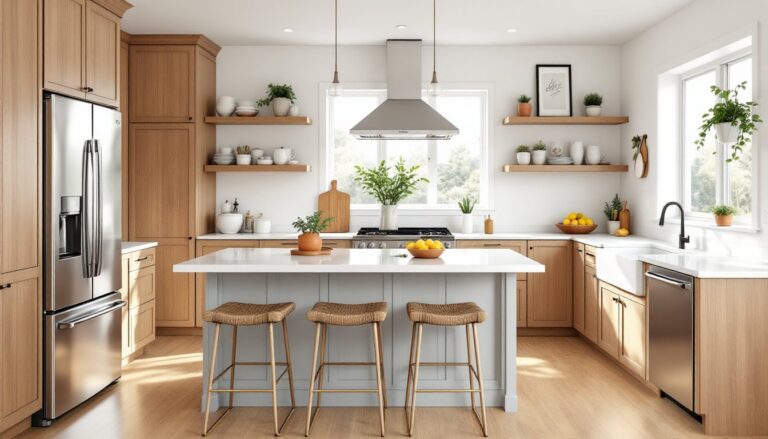
Furniture styles span a broad spectrum, each embodying unique characteristics and aesthetics. Modern furniture features clean lines and minimalistic forms, often incorporating materials like glass and metal. They provide an elegant look, making spaces feel contemporary and open.
Traditional styles emphasize ornate detailing and craftsmanship, typically using wood in rich finishes. These pieces create a sense of timeless elegance, appealing to those who favor classic design.
Eclectic styles combine various influences, resulting in personalized and distinctive interiors. Mixing colors, patterns, and textures brings vibrancy to spaces and showcases individual tastes.
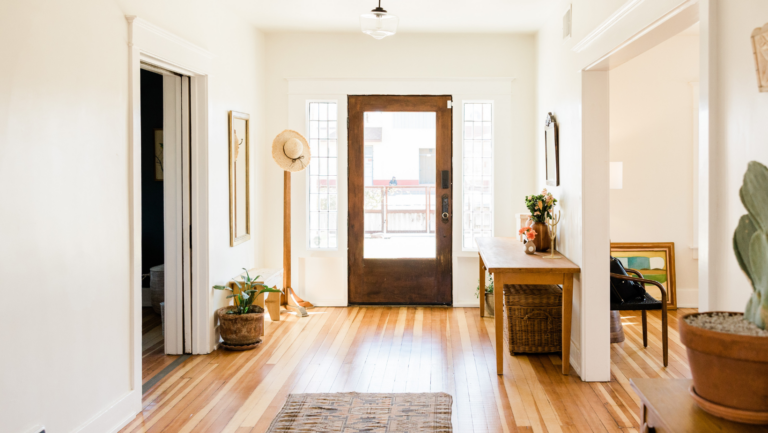
Rustic furniture often incorporates natural wood with a weathered finish, promoting a warm and inviting atmosphere. Such pieces evoke a connection to nature, fostering comfort in living spaces.
Industrial style embraces raw materials like metal and reclaimed wood, reflecting urban influences. This style conveys a rugged charm, appealing to those drawn to the rawness of factory aesthetics.
Mid-century modern blends function and form, featuring tapered legs and organic shapes. This style has gained popularity for its retro appeal, merging nostalgia with modern living.
Bohemian styles offer a free-spirited vibe, emphasizing bold colors and texture layering. Free of strict rules, this style invites creativity and self-expression in decoration.
Each furniture style offers a distinct way to enhance living spaces, influencing ambiance and functionality. Selecting a style often reflects personal identity and lifestyle preferences.
Traditional Furniture Styles
Traditional furniture styles showcase timeless appeal through their intricate designs and classic aesthetics. Such styles often evoke nostalgia and elegance, attracting those who appreciate the craftsmanship of past eras.
Classic Elements
Classic elements define traditional furniture styles through ornate details, rich wood finishes, and intricate carvings. High-quality materials like mahogany, cherry, and oak are prevalent, providing durability and warmth. Symmetry, balance, and proportion dominate the design, emphasizing refined elegance. Decorative features, such as skirts and bun feet, add depth and character, enhancing overall sophistication. Upholstery often involves luxurious fabrics, including silk, damask, or velvet, contributing to a plush and inviting environment.
Popular Variants
Several popular variants of traditional furniture styles exist, each offering unique characteristics. Colonial style brings a sense of history, showcasing the influences of early American settlers. Victorian style incorporates opulence, featuring elaborate designs and rich fabrics for a dramatic effect. Queen Anne’s style emphasizes graceful curves and cabriole legs, balancing elegance and comfort. French provincial style exudes charm with its soft colors, distressed finishes, and pastoral themes. Regency furniture highlights neoclassical influences through sleek lines and bold motifs, blending refinement with functional beauty. Each variant reveals diverse interpretations of tradition while appealing to varied preferences.
Modern Furniture Styles
Modern furniture styles encompass clean lines, minimalism, and inventive designs, making spaces feel more contemporary and open.
Minimalism
Minimalism emphasizes simplicity and functionality. This style prioritizes essential elements, eliminating unnecessary clutter. Often, minimalistic furniture features geometric shapes and neutral colors. The focus remains on maximizing space, allowing for light and air to flow freely. Quality materials like metal and glass frequently appear in minimalistic designs. In a minimalistic setting, each piece holds significance and contributes to the overall aesthetic without overpowering the environment.
Mid-Century Modern
Mid-century modern celebrates the fusion of form and function. Characterized by organic shapes and vibrant colors, this style offers a retro appeal that remains popular today. Iconic pieces often feature tapered legs and distinctive silhouettes, creating a timeless look. Design elements often include a mix of materials such as wood, plastic, and fabric. Notable designers like Charles and Ray Eames and Eero Saarinen have influenced this aesthetic. This style invites warmth and personality into spaces while retaining a modern touch.
Eclectic Furniture Styles
Eclectic furniture styles blend diverse influences, creating unique and expressive interiors. This approach embraces individuality through bold combinations, showcasing a personalized aesthetic.
Mixing and Matching
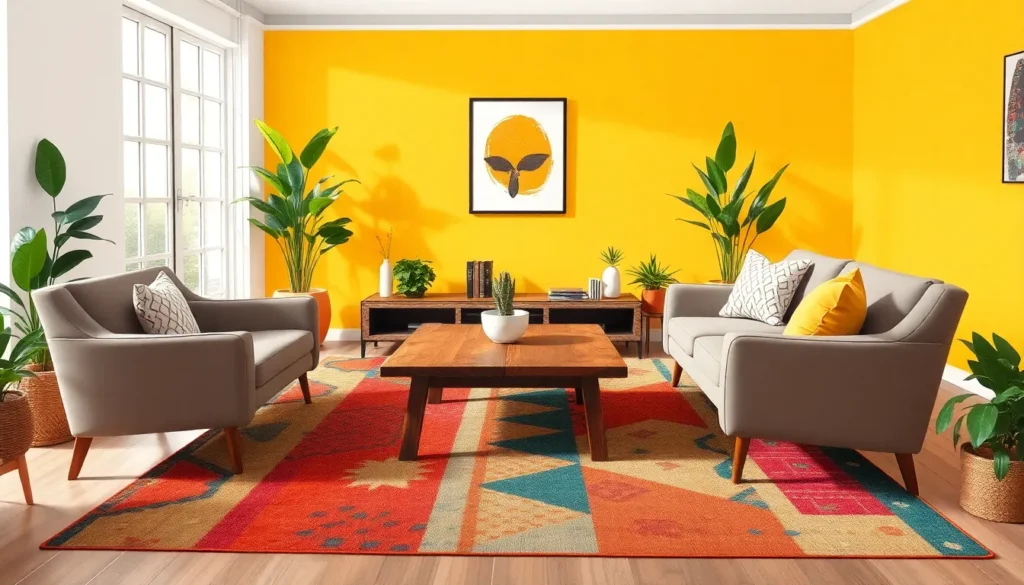
Mixing varied furniture styles adds texture and character to a space. Combining vintage pieces with modern elements creates visual interest. Incorporating different materials, such as wood and metal, enhances the dynamic feel. Art pieces and accessories can further contribute to the eclectic vibe. Layering patterns and colors invites a playful atmosphere. The charm of eclectic design lies in its ability to surprise and delight, breaking conventional rules while offering distinct individuality.
Key Characteristics
Eclectic furniture styles feature several hallmark elements. Versatile aesthetics blend traditional and contemporary pieces seamlessly. Color plays a significant role, often showcasing bold hues or contrasting palettes. Shapes and sizes vary, encouraging the inclusion of both large statement items and smaller accents. Textures enrich the space, inviting touch with soft fabrics and rough surfaces. An emphasis on personalization allows individuals to showcase their unique tastes. Overall, eclectic styles foster creativity and encourage a relaxed, inviting atmosphere in any environment.
Choosing the Right Furniture Style
Selecting an appropriate furniture style involves assessing personal tastes and preferences. Consider how a chosen style aligns with individual lifestyle needs and the overall ambiance of a space. Evaluate the functionality required for each room, as certain styles suit specific purposes better.
Identify key elements that resonate with your aesthetic. Modern furniture, for example, suits those who favor minimalism and clean lines. Traditional styles appeal to individuals who appreciate craftsmanship and ornate details. Eclectic designs invite creativity by mixing various influences and unique pieces.
Explore how each style enhances specific areas in a home. Rustic furniture, characterized by natural wood finishes, may create a warm and inviting atmosphere perfect for a cozy living room. Conversely, industrial styles, with their raw materials, could evoke an urban feel in a city apartment.
Determine the impact of color and texture on the chosen style. Modern designs often utilize neutral palettes, while Bohemian styles embrace vibrant colors and patterns. Recognizing the interaction of colors can help in creating a balanced and harmonious environment.
Lastly, consider the significance of versatility in furniture styles. Eclectic designs offer flexible opportunities to incorporate different pieces, ensuring personal expression in interior design. Emphasizing key characteristics such as size, shape, and ergonomics enables a more informed and satisfying choice.
Exploring various furniture styles opens up a world of possibilities for personal expression and interior design. Each style offers distinct characteristics that cater to different tastes and lifestyles. From the sleek lines of modern designs to the warmth of rustic pieces every choice contributes to the overall ambiance of a space.
Whether one prefers the elegance of traditional furniture or the creativity found in eclectic arrangements there’s a style to suit every preference. By understanding these diverse options individuals can create living environments that truly reflect who they are. Embracing the right furniture style not only enhances aesthetics but also fosters comfort and functionality in everyday life.