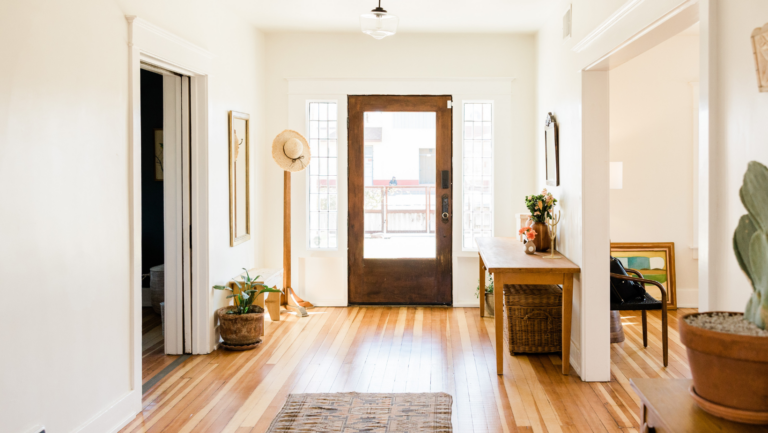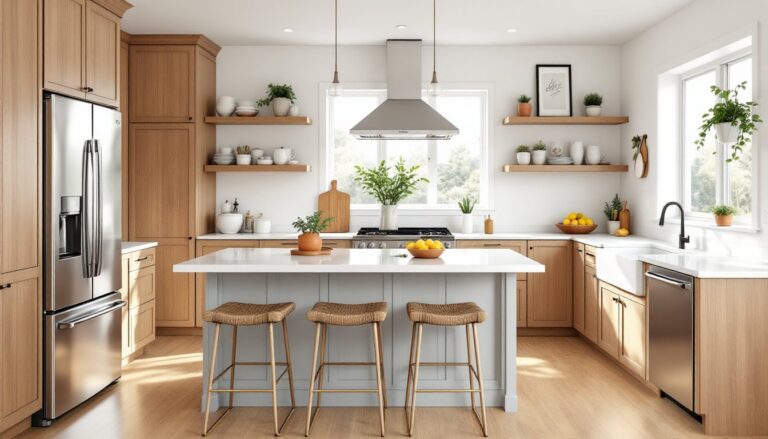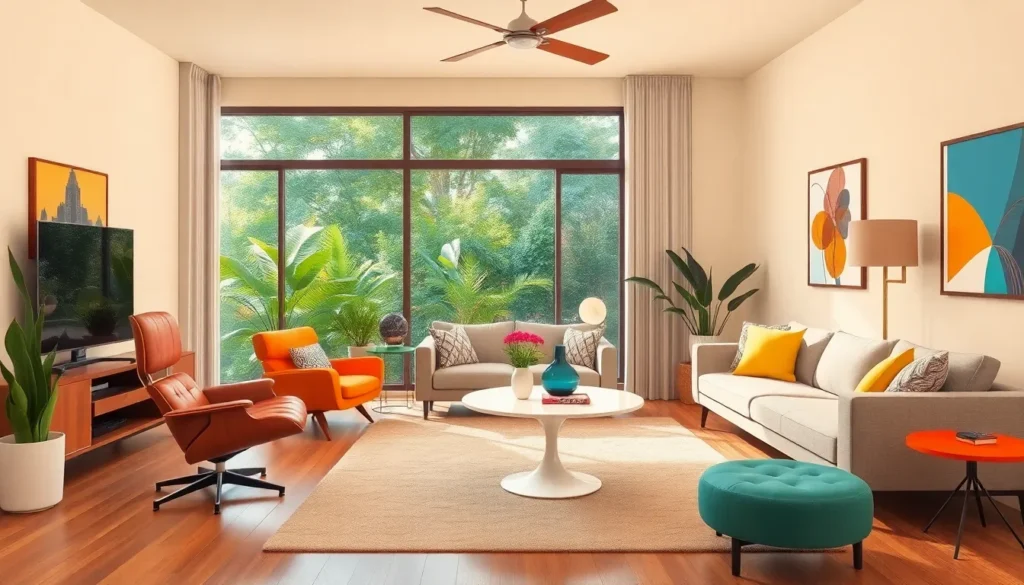
Step into a world where sleek lines meet playful colors, and furniture feels like art. Mid-century modern design isn’t just a style; it’s a lifestyle that whispers sophistication while shouting fun. Born in the post-war boom of the 1940s and 50s, this design movement transformed everyday spaces into vibrant sanctuaries of creativity and comfort.
Table of Contents
ToggleOverview of Mid-Century Modern
Mid-century modern design emphasizes simplicity and functionality. Characterized by organic forms, minimal ornamentation, and integration with nature, this style promotes an open and airy atmosphere. It frequently utilizes materials such as wood, metal, glass, and plastic, allowing for versatility in furnishings and décor.
Furniture pieces often showcase geometric shapes and clean lines, creating focal points within a room. Influential designers like Charles and Ray Eames, Eero Saarinen, and George Nelson significantly impacted mid-century modern aesthetics through innovative creations. Color schemes typically blend earthy tones with bright accents, enhancing visual interest.
In residential architecture, mid-century modern homes often feature large windows and sliding glass doors, fostering a connection between indoor and outdoor spaces. Rooflines commonly appear low and flat, lending an understated elegance to these structures. Many layouts incorporate open floor plans that facilitate casual living and social interactions.
Mid-century modern finds its roots in the post-World War II period, as designers responded to the changing needs of society. This movement not only redefined home interiors but also influenced commercial spaces and public areas. Today, it remains a popular choice among homeowners and decorators.
Revival efforts continue to sustain the mid-century modern legacy, with vintage items and reproductions making a significant impact in the design community. Enthusiasts appreciate original pieces not only for their aesthetic appeal but also for their craftsmanship. Through exhibitions and auctions, this style continues to capture the imaginations of new generations.
Key Characteristics of Mid-Century Modern Design
Mid-century modern design highlights simplicity, elegance, and functionality. The style stands out through various distinctive characteristics that define its aesthetic.
Clean Lines and Simple Forms
Clean lines and simple forms epitomize mid-century modern design. Geometric shapes appear in furniture and architecture, creating an uncluttered visual experience. Curved edges complement straight lines, adding variety without overwhelming spaces. Spaces feel open due to minimal ornamentation, emphasizing the beauty of each item. Designers like Eames and Saarinen prioritized these characteristics, crafting iconic pieces that resonate today. Overall, the focus on straightforward forms fosters a calming atmosphere while maintaining visual interest.
Functionality and Practicality
Functionality and practicality drive the essence of mid-century modern design. Every piece serves a purpose, embodying the belief that form follows function. Multi-functional furniture, such as convertible sofas and expandable dining tables, maximizes space and usability in smaller homes. Designers incorporated innovative materials like molded plywood and fiberglass, enhancing durability and comfort. Practical design elements reflect the needs of post-war society, promoting efficient living in dynamic environments. Thus, this approach ensures that aesthetics and everyday needs harmoniously coexist.
Influential Designers and Architects
Mid-century modern design owes much of its identity to key designers and architects who left a lasting impact on the movement. Their innovative approaches fostered a unique aesthetic that continues to resonate today.
Iconic Figures in Mid-Century Modern
Charles and Ray Eames introduced pioneering furniture designs that combined form and function. Eero Saarinen, known for his sculptural forms, created the Tulip chair and TWA Flight Center, emphasizing organic shapes. George Nelson’s contributions, including the Marshmallow sofa and Nelson bench, highlighted playful yet sophisticated aesthetics. Other influential figures include Arne Jacobsen, renowned for the Egg chair, and Richard Neutra, distinguished for his residential designs that seamlessly integrate with nature.
Notable Works and Contributions
The Eames Lounge Chair, designed by Charles and Ray Eames, exemplifies luxury with its molded plywood and leather. Saarinen’s Gateway Arch in St. Louis stands as an architectural marvel, symbolizing progress. Nelson’s Coconut chair breaks traditional molds, featuring a unique design that offers both comfort and style. Joan Miró’s collaborations with furniture companies infused art into everyday objects, while Hans Wegner’s Wishbone chair combines elegant simplicity with ergonomic design. These contributions solidify mid-century modern’s place in design history.
Impact on Contemporary Design
Mid-century modern design profoundly influences contemporary aesthetics across various sectors. Its emphasis on clean lines and organic forms integrates seamlessly into modern interior design. Designers often draw inspiration from the simplicity and functionality of mid-century principles, ensuring that spaces remain uncluttered yet visually appealing.
Furniture in today’s homes frequently reflects mid-century styles. Geometric shapes and vibrant colors remain popular choices for both residential and commercial spaces. Iconic pieces, such as the Eames Lounge Chair, continue to inspire new designs while maintaining their classic appeal.
Architectural trends echo mid-century modern influences as well. Large windows and open floor plans promote connectivity between indoor and outdoor environments. Minimalism thrives in contemporary design, echoing mid-century philosophies that prioritize natural light and flow.
The choice of materials often reflects the original mid-century aesthetic. Designers utilize wood, metal, and glass regularly, creating versatile and functional furnishings. Innovative techniques in manufacturing also allow for sustainable and durable options that align with contemporary values.
Collaboration among designers and architects amplifies this influence. Projects today highlight the importance of nature and sustainable living, echoing the mid-century ethos of harmonious coexistence. The legacy persists, ensuring that mid-century aesthetics remain relevant, inspiring new generations of creators to blend nostalgia with modern innovation.
This lasting impact solidifies mid-century modern as a foundational pillar in the evolution of design, providing a timeless framework that continues to inspire creativity and functionality in contemporary spaces.