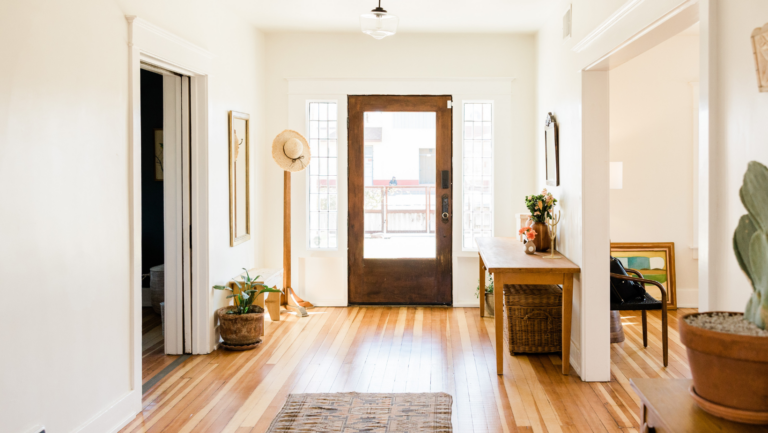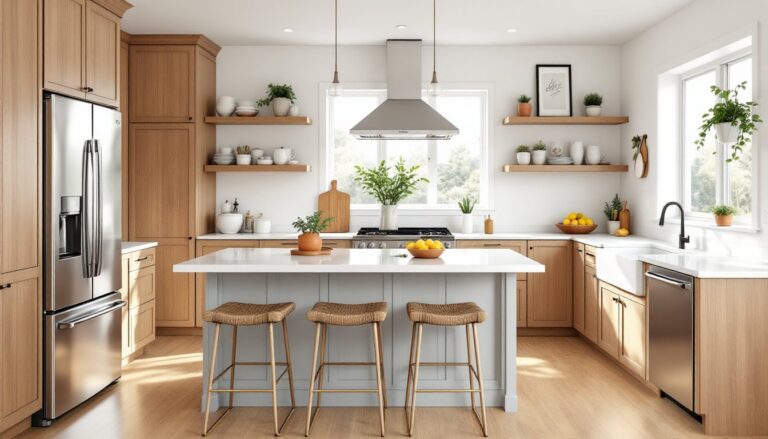
Symmetry in decor isn’t just a fancy term for making things look pretty; it’s the secret sauce that can transform a chaotic space into a serene sanctuary. Imagine walking into a room where everything feels balanced, like a perfectly brewed cup of coffee—invigorating yet calming. When decor elements align harmoniously, they create an inviting atmosphere that makes guests want to stay a little longer.
But let’s face it, not everyone has a natural eye for design. Fear not! Embracing symmetry doesn’t mean you need a degree in interior design or a magic wand. With a few simple tricks, anyone can master the art of balance. So, whether you’re a decor novice or a seasoned pro, it’s time to dive into the world of symmetry and discover how it can elevate your space while keeping your sanity intact.
Table of Contents
ToggleUnderstanding Symmetry in Decor
Symmetry serves as a fundamental principle in decor that fosters balance and harmony within spaces. Designers often utilize symmetry to evoke a sense of order, making rooms feel more inviting. Well-balanced arrangements can captivate attention and create a focal point. For example, using matching pairs of items, such as lamps or chairs, promotes visual equilibrium.
Incorporating symmetry extends beyond mere aesthetics; it enhances functionality. Symmetrical layouts often facilitate movement, ensuring that pathways remain accessible. Achieving symmetry requires awareness of proportions, with furniture and decor positioned in relation to one another. Strategically aligned mirrors can amplify this effect, reflecting light and enhancing spatial perception.
Exploring asymmetry also offers opportunities for creativity. While traditional symmetry adheres to strict balance, intentional asymmetrical designs can yield excitement. Layering varied textures, colors, and shapes provides visual interest while maintaining a balanced overall feel. This approach often complements both contemporary and eclectic styles.
Understanding the psychological impact of symmetry leads to valuable insights. Symmetrical environments can reduce stress, promoting tranquility in everyday life. Observing symmetry in nature reinforces this perception, as many individuals find balance inherent in organic settings.
Experimenting with symmetry doesn’t necessitate extensive design knowledge. Beginner decorators can start small with centered furniture arrangement. Even a simple pairing of decor items can initiate the process. Overall, symmetry in decor invites exploration, encouraging individuals to refine their spaces into tranquil havens.
The Importance of Symmetry in Decor
Symmetry plays a crucial role in decor. It creates a sense of order and balance, making spaces more inviting.
Visual Balance
Visual balance results from symmetrical arrangements that captivate attention. Designers often utilize pairs of items, such as matching lamps or artworks, to enhance visual harmony. When balanced elements are positioned thoughtfully, they draw the eye and establish a cohesive look. This approach simplifies color coordination and shapes, leading to an aesthetically pleasing environment. Many decorators find that symmetrical layouts often lead to easier decision-making when selecting furnishings. Maintaining consistent spacing between objects ensures a refined style, whether in living rooms or dining areas.
Psychological Impact
The psychological impact of symmetry is significant. Symmetrical spaces can evoke feelings of tranquility and reduce stress levels. Research indicates that individuals may feel more relaxed and at ease in environments that exhibit these balanced attributes. Symmetry fosters a sense of predictability, enhancing comfort within a space. Well-balanced arrangements can even improve focus and productivity. Incorporating symmetry into decor not only influences behavior but also enhances the overall mood. Although asymmetry has its charms, maintaining a foundation of symmetry creates a comforting atmosphere that enchants residents and guests alike.
Types of Symmetry in Decor
Symmetry in decor manifests primarily in two forms: formal symmetry and informal symmetry. Each type brings unique aesthetics and balance to a space.
Formal Symmetry
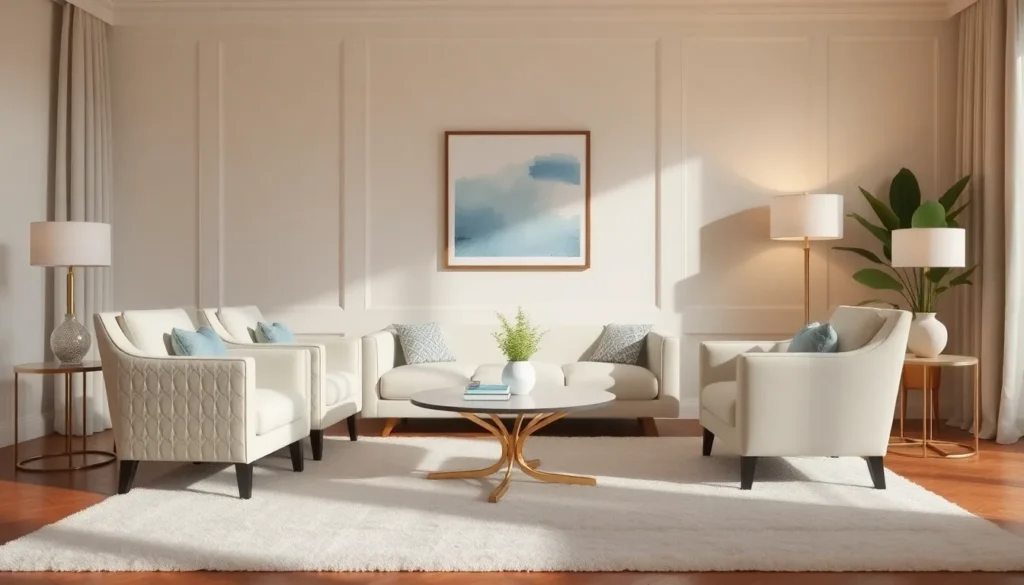
Formal symmetry involves a strict, mirrored arrangement of elements. This design approach emphasizes balance, often seen in traditional settings. For instance, two identical armchairs placed opposite each other create a visually appealing focal point. Pairing matching lamps on either side of a sofa enhances harmony within the room. Spaces with formal symmetry often evoke elegance and sophistication, making them ideal for dining rooms or living areas meant for entertaining.
Informal Symmetry
Informal symmetry embraces a more relaxed, casual approach while still achieving a sense of balance. This design style allows for variations in size and form, providing visual interest. For example, displaying two different vases on a shelf alongside similar colors creates a cohesive look without strict matching. A combination of varying art frames arranged evenly on a wall also showcases informal symmetry. This approach fits well in spaces needing warmth, such as family rooms or personal lounges, while still maintaining a sense of order.
How to Incorporate Symmetry in Decor
Creating an inviting space hinges on the effective use of symmetry. It helps foster balance and tranquility within a room, making it essential in decor.
Room Layout and Design
Begin by considering symmetry in your room layout. Place larger furniture pieces at equal distances from the center to achieve a balanced look. Arranging seating in pairs can enhance a symmetrical feel, promoting easy conversation. Utilize rugs to define spaces, and ensure they align with furniture for a cohesive design. Light fixtures can also play a key role; opting for matching lamps on either side of a sofa creates visual harmony. Balance can extend to wall art as well; positioning artwork in pairs or aligning them with furniture generates an organized atmosphere.
Furniture Arrangement
Focus on the arrangement of furniture to establish symmetry throughout a space. Position sofas and chairs to mirror each other across the room, providing a clear focal point for conversation. Consider using matching side tables to flank a sofa or bed, which adds symmetry at eye level. Ensure bookcases or shelves remain consistent by stacking books and decorative items in pairs. A coffee table with symmetrical decor pieces can tie the room together effectively. Even ottomans or poufs can enhance balance when used in pairs. By emphasizing these elements, it becomes easier to create an inviting and well-coordinated environment.
Embracing symmetry in decor can significantly elevate the aesthetic and emotional appeal of any space. By fostering balance and harmony, it transforms environments into inviting havens that encourage relaxation and focus. Whether opting for formal or informal symmetry, decorators can create captivating focal points that enhance functionality and accessibility.
Experimenting with both symmetry and intentional asymmetry allows for a unique blend of visual interest and tranquility. With practical tips in mind, anyone can achieve a well-coordinated space that reflects their personal style. Ultimately, the art of symmetry is about creating a harmonious atmosphere that welcomes both residents and guests alike.