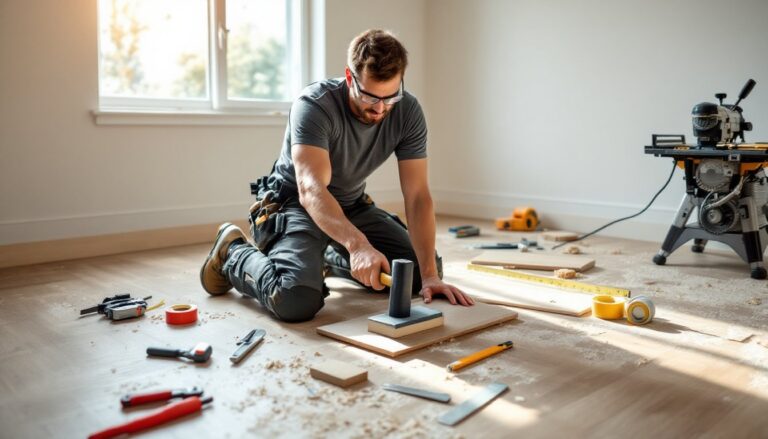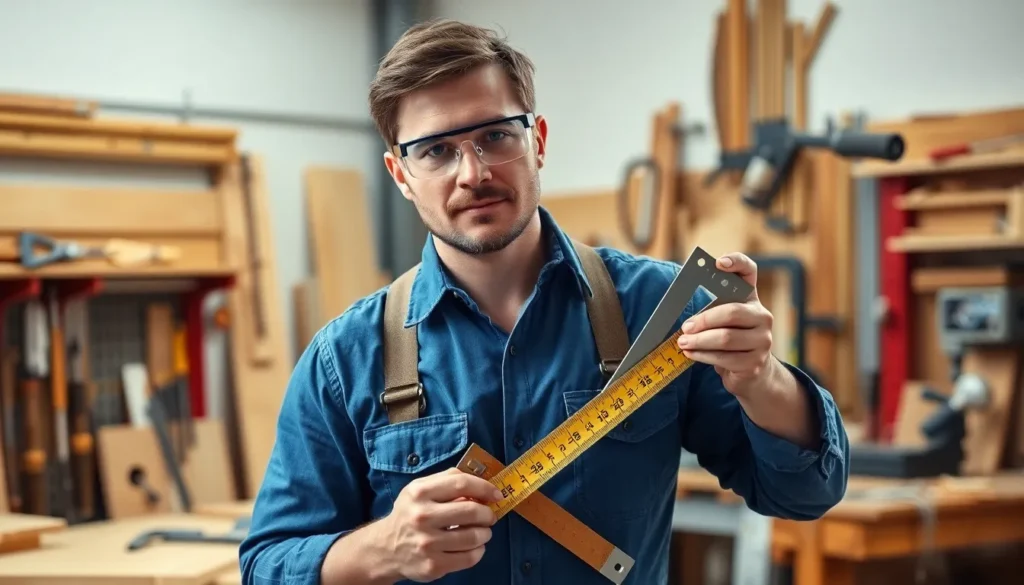
In the bustling world of workshops, precision is king. Without the right measuring tools, even the most skilled craftsman might as well be building a house of cards. From rulers that could double as straight edges for your best friend’s bad jokes to calipers that make you feel like a mad scientist, the right tools can turn chaos into craftsmanship.
Imagine trying to fit a square peg into a round hole—frustrating, right? That’s what it’s like working without reliable measuring tools. They’re not just accessories; they’re the unsung heroes that ensure every cut, joint, and angle is spot on. Dive into the world of measuring tools and discover how they can transform your workshop from a place of guesswork to a haven of accuracy. Because in the end, who doesn’t want to nail that perfect project?
Table of Contents
ToggleOverview of Measuring Tools in Workshop
Measuring tools play a vital role in any workshop environment. They enable precise measurements that are crucial to successful craftsmanship. Common measuring tools include tape measures, calipers, squares, and levels. Each tool serves a unique purpose, contributing to the accuracy of various projects.
Tape measures offer flexibility and portability. They typically measure length and distance with units marked clearly. Calipers, on the other hand, provide high precision for measuring internal and external dimensions as well as depths. Many craftsmen rely on calipers for minute measurements, which can make a significant difference in detailed work.
Squares ensure that corners are 90 degrees, essential for framing and joining materials accurately. A framing square is particularly useful in woodworking, while a speed square aids in roofing and layout tasks. Levels help confirm that surfaces are flat, preventing issues in construction or installation.
Digital measuring tools have gained popularity for their ease of use and precision. Laser distance measures provide quick readings and eliminate human error. Various craftsmen are turning to these advanced tools to improve workflow and efficiency.
During project planning, understanding the right measurement tool to use saves time and resources. Each project may demand different measuring techniques and tools. A well-equipped workshop combines traditional tools with modern technology for optimal results.
Workshop success hinges on selecting the proper measuring tools. Knowledge of each tool and its application can lead to better craftsmanship and satisfaction in any completed project. Investing in quality measuring tools benefits both novice and experienced craftsmen alike, ensuring every dimension achieves perfection.
Types of Measuring Tools
Measuring tools come in various types, each designed for specific tasks in a workshop setting. Familiarity with these tools enhances precision and efficiency.
Linear Measuring Tools
Linear measuring tools include tape measures, ruler sets, and yard sticks. Tape measures offer flexibility, enabling easy measurement of various lengths and distances. Rulers provide straight edges for precise markings, while yard sticks are ideal for larger spaces. Precision is measurable in millimeters and inches, ensuring accurate cuts and placements. Using these tools consistently promotes better outcomes and minimizes material waste.
Angle Measuring Tools
Angle measuring tools are essential for ensuring accuracy in projects requiring precise angles. Squares, protractors, and bevel gauges allow craftsmen to check angles effectively. Squares confirm corners at 90 degrees, while protractors measure angles between 0 and 180 degrees. Bevel gauges help replicate angles from existing structures, enhancing consistency. By utilizing these tools, finished projects maintain structural integrity and aesthetic appeal.
Specialty Measuring Tools
Specialty measuring tools address specific needs beyond standard measurements. Calipers excel in measuring internal and external dimensions with high precision. Laser distance meters offer quick and accurate readings over long distances, reducing human error. Depth gauges measure depth in materials, facilitating precise drilling and cutting. Integrating these tools into a workshop allows for versatility, promoting more complex projects while ensuring accurate results.
Importance of Accurate Measurements
Accurate measurements play a crucial role in workshop success. Precision directly influences the quality of any project being undertaken.
Impact on Project Quality
Quality outcomes stem from correct measurements. Ensuring accurate cuts and joins leads to stronger structures and enhances the overall aesthetic. Projects that rely on precise measurements often exceed expectations, saving both time and materials. When measurements are off, even slightly, projects can face issues such as structural instability or aesthetics that do not meet the original vision. Craftspeople enjoy confidence in their work when they trust their measurements, which contributes to higher satisfaction. Each tool contributes differently, but collectively, they create the foundation for reliable craftsmanship.
Safety Considerations
Safety within the workshop significantly relates to measurement accuracy. Miscalculations can result in tool mishaps, posing risks to users. For instance, improper measurements may lead to using tools incorrectly or creating unstable structures that can collapse. Craftspeople often overlook the safe handling of materials and tools unless they are confident in their measurements. By utilizing accurate measurements, they minimize the potential for accidents and injuries. Reliable measuring tools enable a safer working environment, enhancing overall productivity while prioritizing personal safety. Investing in the right tools is essential for crafting and a secure workshop experience.
Choosing the Right Measuring Tool
Selecting the appropriate measuring tool is crucial for achieving precise craftsmanship in workshops. Understanding specific project requirements simplifies the decision-making process.
Factors to Consider
Consider project type when choosing a measuring tool. Different materials may dictate specific tools for optimal accuracy. For example, wood projects often benefit from tape measures for flexible measurements, while metalworking may require calipers for enhanced precision. Evaluate measurement range and resolution based on project needs. If a project involves large areas, a digital laser measure may fit best, offering quick, long-distance measurements. Assess comfort and ease of use as well. Tools that an individual finds easy to handle enhance overall measurement experience, ultimately leading to more accurate results.
Recommended Brands and Models
Several brands excel in providing reliable measuring tools. For tape measures, Stanley offers quality products known for durability. Johnson Level & Tool specializes in levels with high accuracy and ease of use. Precision comes from Mitutoyo calipers, renowned for their meticulous designs, perfect for detailed work. Digital tools also gain popularity; Bosch laser distance measures lead that field, known for their efficiency and user-friendly interfaces. Including these brands in a workshop ensures reliable results and contributes to overall project success.
Maintenance of Measuring Tools
Proper maintenance of measuring tools ensures longevity and accuracy. Regular cleaning prevents dirt buildup, which can affect precision. Users should gently wipe tools after each use with a soft cloth. Calibration checks are essential; performing these checks periodically guarantees accurate readings.
Storage plays a crucial role in maintaining tools. Keeping measuring tools in a dry, cool environment minimizes rust and wear. It is advisable to use padded cases or specific compartments to avoid physical damage. Tools should never be subjected to extreme temperatures or moisture.
Routine inspections help identify wear and tear early. Inspecting measuring tapes for frays or bent blades ensures reliability. Calipers should be examined for smooth operation; any stiffness may indicate the need for lubrication. Levels must be checked against a known flat surface to confirm accuracy.
Additionally, replacing worn parts is crucial for sustained performance. If a measuring tool becomes outdated or damaged, seeking replacement components can restore functionality. Various manufacturers offer replacement parts, making it simple to keep tools in top condition.
Lastly, documenting maintenance activities aids in tracking each tool’s condition over time. Keeping a log of calibration dates, repairs, and cleaning schedules promotes accountability. He or she who maintains meticulous records benefits from improved tool performance and project outcomes.
Mastering the art of measurement is vital for anyone working in a workshop. With the right tools at hand, craftsmen can elevate their projects to new heights of precision and quality. Investing in a mix of traditional and modern measuring tools not only boosts accuracy but also enhances safety and efficiency.
By understanding the unique functions of each tool and maintaining them properly, users can ensure their workshop remains a productive space. This commitment to precision fosters a deeper satisfaction in the crafting process, ultimately leading to successful and impressive results. Embracing the right measuring tools transforms not just the work produced but the entire workshop experience.