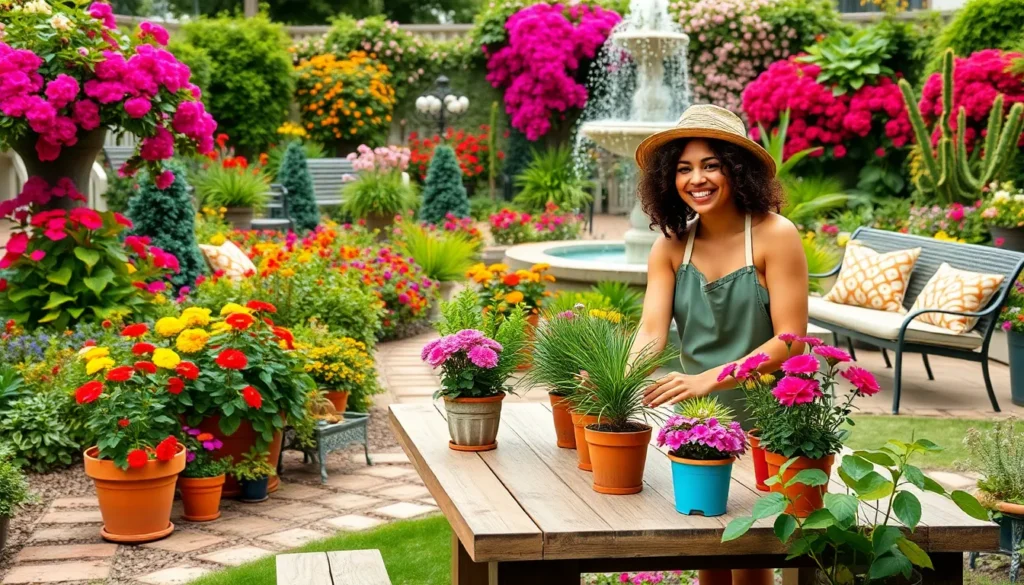
Imagine stepping into a garden that feels like a scene straight out of a fairy tale. Garden styling isn’t just about planting flowers; it’s about creating an enchanting space that reflects personality and invites joy. With the right approach, anyone can transform a patch of dirt into a vibrant oasis where nature and creativity collide.
From selecting the perfect plants to arranging garden furniture that makes neighbors green with envy, garden styling offers endless possibilities. Whether you’re a seasoned gardener or just starting out, a little flair can turn your outdoor space into a stunning retreat. Let’s dig deep into the art of garden styling and discover how to cultivate a landscape that’s not only beautiful but also uniquely yours. After all, who wouldn’t want a garden that’s the talk of the town—or at least, the talk of the backyard barbecue?
Table of Contents
ToggleUnderstanding Garden Styling
Garden styling encompasses creating a beautiful outdoor space that reflects individual tastes and enhances the environment. It’s about thoughtful design that combines plants, furniture, and decor.
What Is Garden Styling?
Garden styling involves more than selecting plants. It includes arranging elements like pathways, seating areas, and ornamental features to create a cohesive look. Design choices such as color schemes and textures contribute to the overall aesthetic. Styles vary, ranging from formal gardens to relaxed, cottage-like settings. Each choice aims to evoke specific emotions and experiences. Ideas for garden styling include layering plants, creating focal points, and using accessories to add character.
Importance of Garden Styling
Garden styling plays a crucial role in personalizing outdoor spaces. An attractive garden can elevate property value and enhance curb appeal. Engaging with nature through gardening promotes well-being, making spaces enjoyable and comforting. A well-styled garden provides areas for relaxation and social gatherings. Additionally, it encourages biodiversity, supporting local wildlife. Thoughtfully styled gardens can become environmental sanctuaries, combining aesthetics with sustainability.
Key Elements of Garden Styling
Garden styling involves various components that work together to create a cohesive outdoor experience. Emphasizing these key elements ensures a beautiful and functional garden that reflects personal taste.
Choosing the Right Plants
Selecting plants requires attention to climate, soil type, and sunlight availability. Native plants thrive in local conditions, enhancing aesthetic appeal and supporting wildlife. Incorporating a mix of perennials and annuals provides year-round interest and color. Seasonal flowers add vibrancy while creating focal points throughout the garden. Grouping plants with similar needs simplifies maintenance and promotes healthy growth. Consideration of plant height, texture, and color creates depth and visual harmony in the garden space.
Selecting Garden Furniture and Accessories
Garden furniture plays a crucial role in enhancing outdoor living areas. Choosing durable, weather-resistant materials extends the lifespan of outdoor pieces. Arranging seating areas promotes conversation and relaxation, ensuring comfort for family and guests. Accessories like cushions and throws introduce color and softness, adding personal touches. Garden lighting can enhance ambiance for evening gatherings while showcasing key features. Integrating decorative elements like pots, sculptures, or water features elevates the overall design and encourages interaction with the garden.
Popular Garden Styles
Various garden styles exist, each offering a unique way to create captivating outdoor spaces. Understanding these styles helps in selecting one that reflects personal preferences.
Modern Garden Design
Modern garden design emphasizes clean lines and minimalism. It often features angular shapes, geometric patterns, and a streamlined approach to plant selection. Plant choices may include succulents and ornamental grasses, creating a contemporary vibe. Hardscaping elements, like concrete pathways and metal accents, enhance the aesthetic. The focus remains on functionality and simplicity while incorporating technology, such as automated irrigation systems.
Cottage Garden Aesthetic
Cottage garden aesthetic embodies charm and informality. This style combines a variety of flowering plants, herbs, and vegetables, often in a seemingly chaotic arrangement. Colors and textures blend seamlessly, creating a lush, vibrant environment. A mix of perennials and annuals provides continuous blooms throughout the seasons. Elements like rustic fences, wooden benches, and trellises support climbing plants and add character. Personal touches, such as handmade garden decorations, enhance the inviting atmosphere.
Zen Garden Experience
Zen garden experience promotes tranquility and mindfulness. It utilizes natural elements like rocks, sand, and water to create harmonious layouts. Gravel pathways often accompany strategically placed stones, contributing to a sense of balance and calm. Plants may include bamboo and moss, emphasizing simplicity and serenity. Gardeners carefully rake patterns into the gravel to symbolize ripples in water. This style focuses on reflection and meditation, making it ideal for those seeking peace in their outdoor environment.
Tips for Effective Garden Styling
Effective garden styling enhances outdoor spaces and personalizes environments. Creating a harmonious look involves thoughtful planning and design choices.
Color Coordination
Color plays a vital role in garden styling. Selecting a color palette based on personal taste creates a cohesive theme. Balance bright colors with softer shades for contrast and visual interest. Group plants with complementary colors to enhance their beauty. Using seasonal blooms can punctuate the garden with vibrant hues throughout the year. Accessories like cushions and decorative pots can further unify the color scheme, reinforcing the garden’s overall aesthetic.
Seasonal Considerations
Seasonal changes affect garden styles significantly. Planting a mix of perennials and annuals ensures year-round color. In spring, focus on early bloomers like daffodils and tulips for immediate impact. Summer favorites often include hydrangeas and daisies, which provide lush greenery. Fall gardens can incorporate ornamental grasses and chrysanthemums for warm tones. Preparing the garden for winter with evergreens adds structure and visual appeal, maintaining beauty even in colder months. Rotate plant selections regularly to keep the garden fresh and dynamic throughout the seasons.
Garden styling is an opportunity to express individuality while creating a welcoming outdoor retreat. By thoughtfully combining plants, furniture, and decor, anyone can craft a space that not only enhances the property but also fosters well-being and connection with nature.
Embracing various styles allows for personal creativity and the chance to cultivate a vibrant ecosystem. Incorporating native plants and seasonal blooms ensures that the garden remains lively throughout the year.
Ultimately, garden styling is about more than aesthetics; it’s about creating a sanctuary that brings joy, encourages relaxation, and supports local wildlife. With a little imagination and effort, anyone can transform their garden into a stunning oasis that reflects their unique taste.